The 10 Best QR Code Menu Providers Shortlist
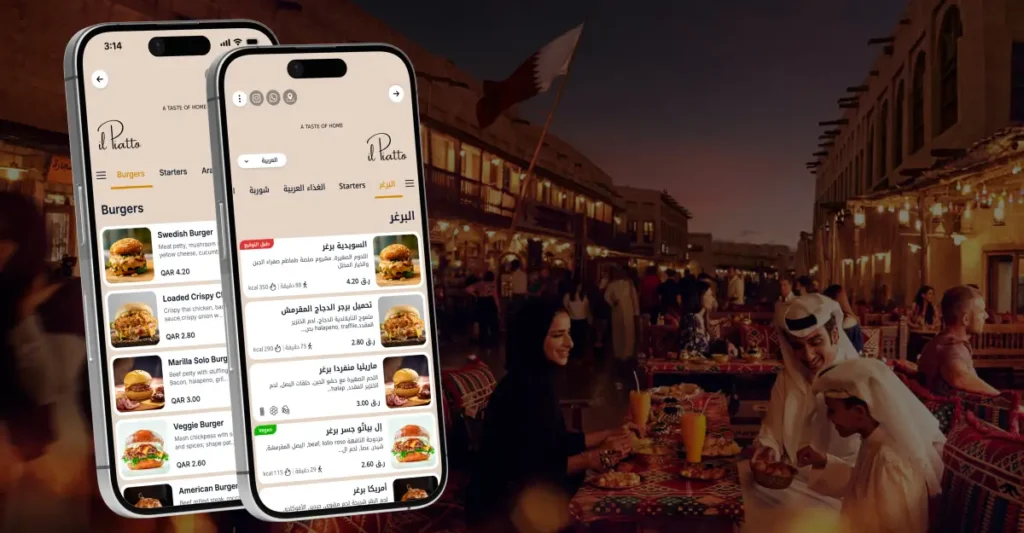
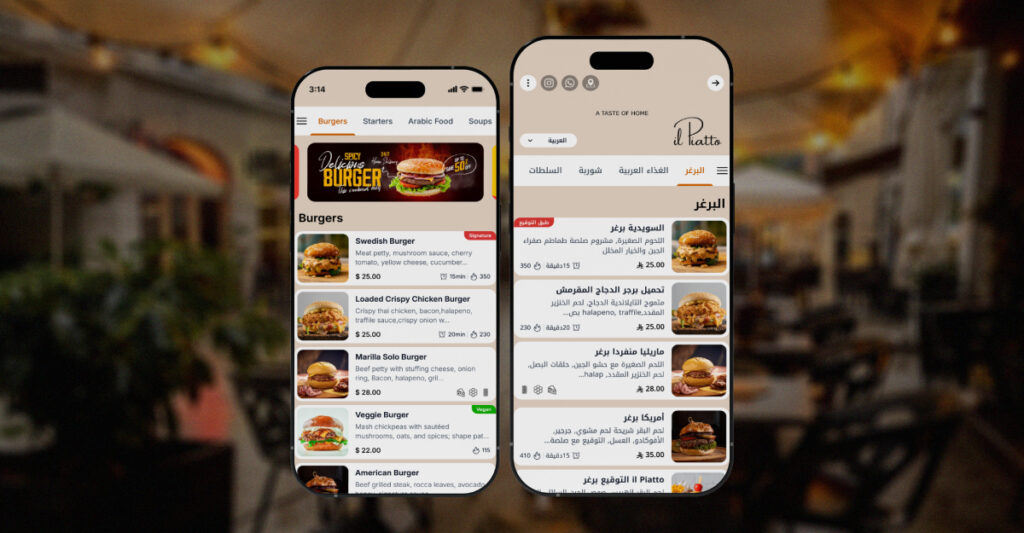
- TableQR – Mobile-first digital menu built for speed, branding, and menu control
- UpMenu – QR menus plus online ordering and marketing tools
- Digitalemenu – Visual menus with daypart switching and presentation focus
- MyDigiMenu – Restaurant and hotel workflows, including QR ordering and routing
- LOGIX360 – Affordable, Done-for-you QR menus with custom design and hands-on support
- Menubly – Fast menu publishing with SEO-friendly pages and quick edits
- Orderlina – White-label digital menu and ordering options for multi-brand groups
- Menuflow – Order-and-pay flows with POS integration focus
- SproutQR – Simple menus with a clear accessibility positioning
- Happymenu – QR menus for smaller operators
The Best QR Code Menu Of 2026
1. TableQR
TableQR is a mobile-first digital menu built for hospitality operators who care about speed and brand. One platform, global-ready labeling: FDA and EU style nutrition and allergens, plus SFDA and UAE Food Code 2.0 support.

Pros: real-time edits, dietary icons, allergens and nutrition, multilingual and multi-currency, promos and analytics.
Cons: if you want a marketplace-style delivery aggregator, this is not that.
Who it’s for: Restaurants, cafes, hotels, and groups that want clean menus that load fast.
2. UpMenu
UpMenu combines QR menus with ordering features and broader restaurant marketing tooling.
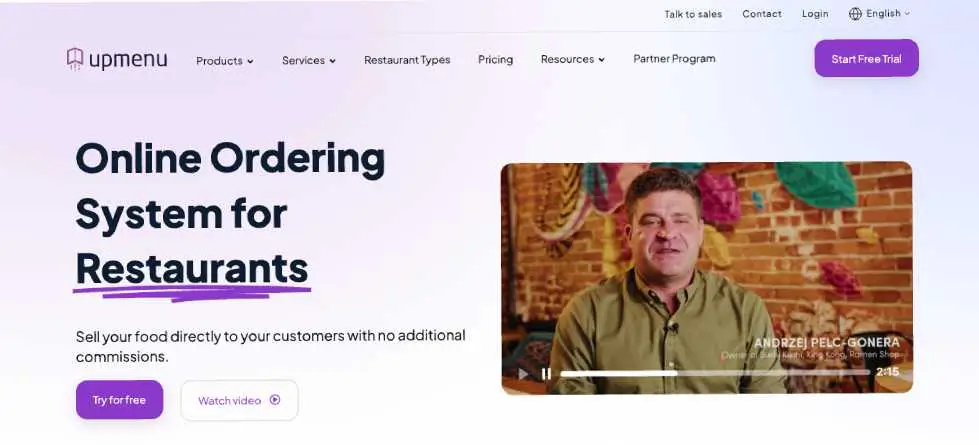
Pros: fast menu creation, easy updates, QR ordering options, and related add-ons like Google Ordering and reservations.
Cons: all-in-one platforms can feel heavier to set up, and you will pay for capabilities you may not use.
Who it’s for: operators who want QR plus direct ordering growth
3. Digitalemenu
Digitalemenu (eMenu) is positioned strongly across UAE and the wider MENA market, with a focus on visuals and flexible menu switching.
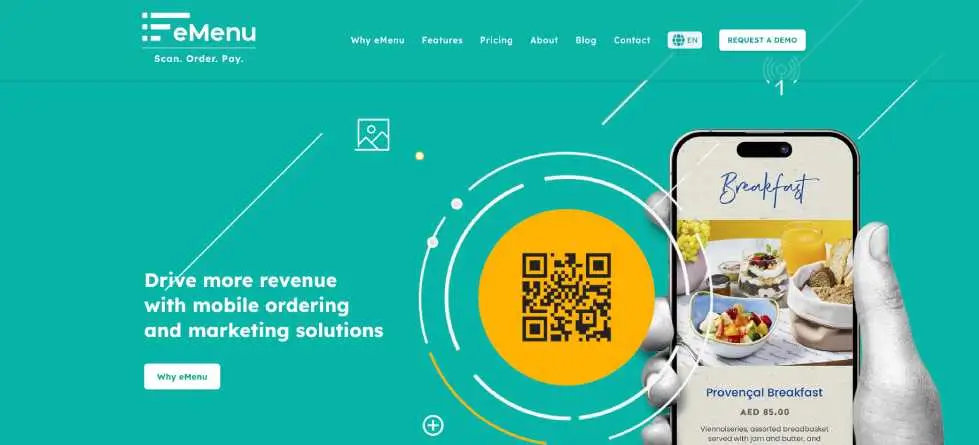
Pros: design customization, day and night menus, and a built-in search experience.
Cons: pricing escalates to “contact sales” for higher tiers, so budget clarity can vary by needs.
Who it’s for: multi-language venues in MENA wanting polished presentation.
4. MyDigiMenu
MyDigiMenu leans into QR plus ordering plus tablet workflows for restaurants and hotels.
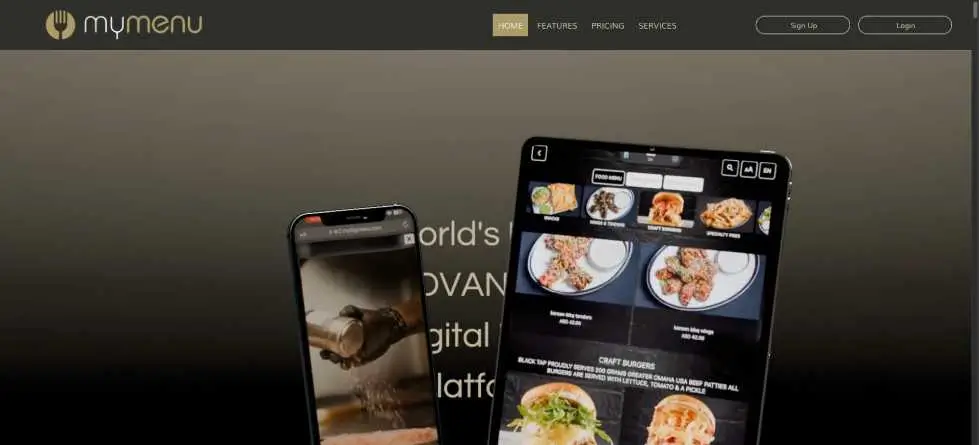
Pros: table or room-specific QR codes, routing orders to panels, printers, or POS, plus extra services like translation and nutritionist support.
Cons: if you only want a simple view-only menu, this may feel like more system than necessary.
Who it’s for: hotels and busy venues needing table-level ordering control.
5. LOGIX360
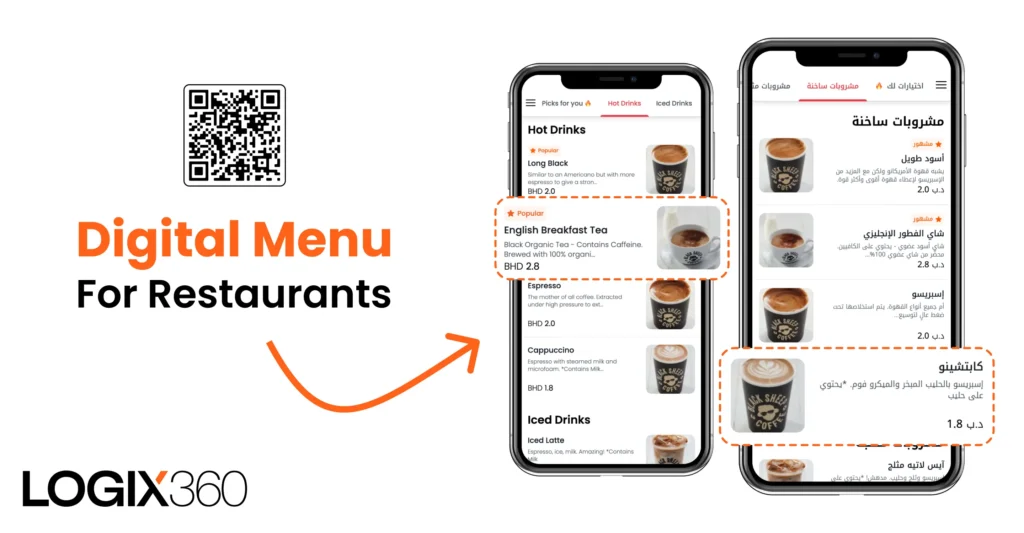
LOGIX360 is more studio-led than pure SaaS, focused on custom QR menu builds and local execution.

Pros: done-for-you design, quick updates, practical regional experience and examples.
Cons: feature depth depends on scope, and you are buying a service, not just software.
Who it’s for: venues that want a bespoke menu and hands-on support in the Gulf region.
6. Menubly
Menubly focuses on getting a menu online fast, with QR access and an emphasis on SEO visibility.
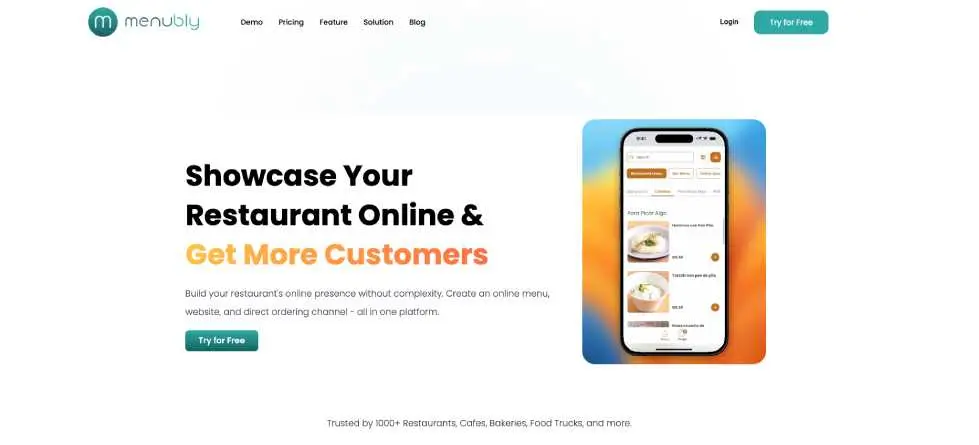
Pros: flexible menu layouts, quick setup, instant updates, and options that support direct ordering and discoverability.
Cons: advanced restaurant-grade controls vary by plan, so confirm what is included before migrating everything.
Who it’s for: independents that want “menu + simple website” momentum without complexity.
7. Orderlina
Orderlina positions itself as a digital menu and ordering platform with broad global usage and white-label options.
Pros: dine-in, delivery, and takeaway support, real-time updates, and multi-location potential.
Cons: pricing and packaging can be opaque until you talk to sales, and “white label” usually means more setup responsibility.
Who it’s for: groups and hospitality operators wanting branded ordering control.
8. Menuflow
Menuflow is built around QR menus plus operational flows like order-and-pay and pay-and-go.
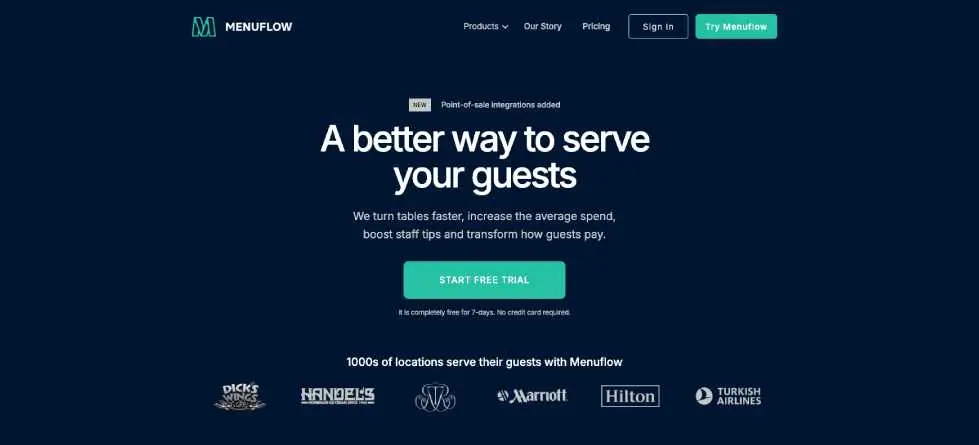
Pros: instant availability updates, scheduled menu switching by service time, and a long list of POS integrations.
Cons: payment and POS value depends entirely on whether your stack is supported, so you must verify integration early.
Who it’s for: high-volume venues prioritizing speed, payments, and POS alignment.
9. SproutQR
SproutQR emphasizes ease, design, and accessibility positioning, with ADA remediation messaging and web publishing for discovery.
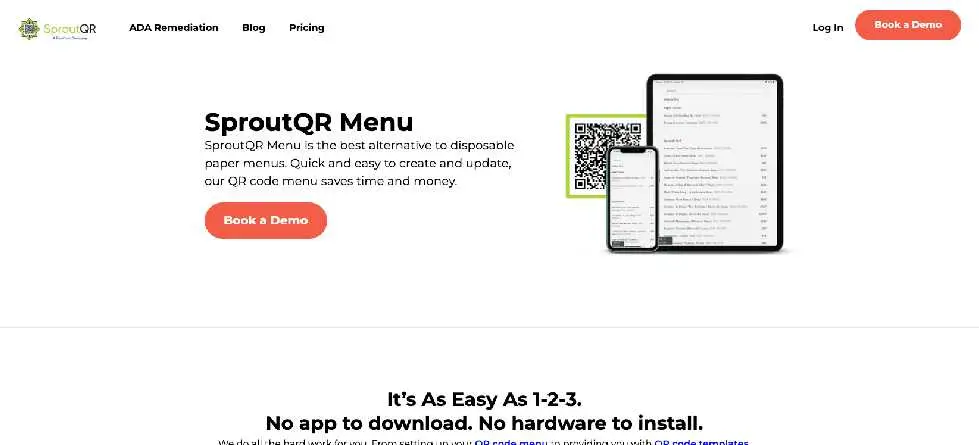
Pros: fast updates, polished templates, and a clear accessibility angle.
Cons: ordering and payments are positioned as “coming soon” on public pages, so confirm roadmap timing if you need them.
Who it’s for: bars and restaurants that want simple, clean menus and accessibility confidence.
10. Happymenu
Happymenu targets small businesses that want attractive QR menus without enterprise pricing.
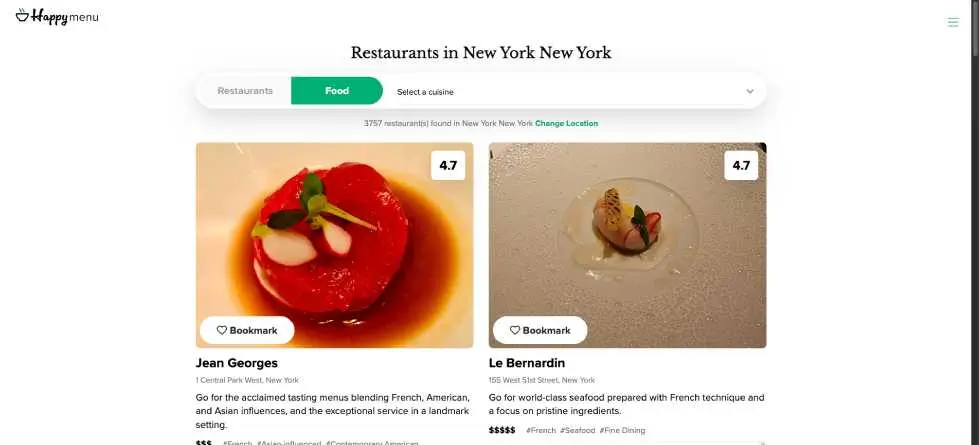
Pros: straightforward onboarding, low monthly cost, documentation for add-ons and cross-sells, and quick design tweaks.
Cons: if you need deep integrations, multi-unit governance, or complex workflows, you may outgrow it.
Who it’s for: cafes, bars, and small restaurants wanting simple, affordable, good-looking menus.
How To Choose the Best QR Code Menu
Do not choose based on feature count. Choose based on what survives a busy service.
Use this filter when comparing QR code menu platforms for restaurants in 2026.
Visually Stunning and Custom Branded Experience
If your menu looks common, guests assume the experience is common.
- Can you match fonts, colors, and spacing without hacks?
- Can you use photos without slowing load time?
- Can you feature high-margin items without annoying popups?
Real-Time Updates
If you cannot 86 an item fast, you create refunds, complaints, and bad reviews.
What to check:
- Can you mark items sold out instantly?
- Can you schedule menus by time (breakfast, lunch, late night)?
- Does the same QR code remain valid while content changes?
- Micro-test: do a “brisket is out” drill at 8:15 pm on a weak Wi-Fi connection.
Dietary Needs and Allergens
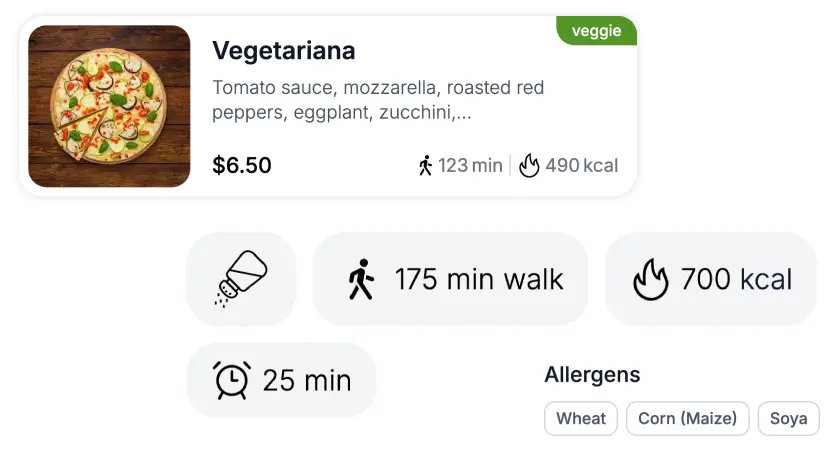
This is not a “nice to have.” It is risk management and conversion.
What to check:
- Can you display allergens clearly per item, not as a fuzzy footer note?
- Can guests filter for vegan, gluten-free, nut-free, halal, etc?
- Can you add prep notes like “contains traces” where relevant?
- Micro-test: a guest asks “does this have dairy?” If your staff still has to guess, your system failed.
Multi-Language Support
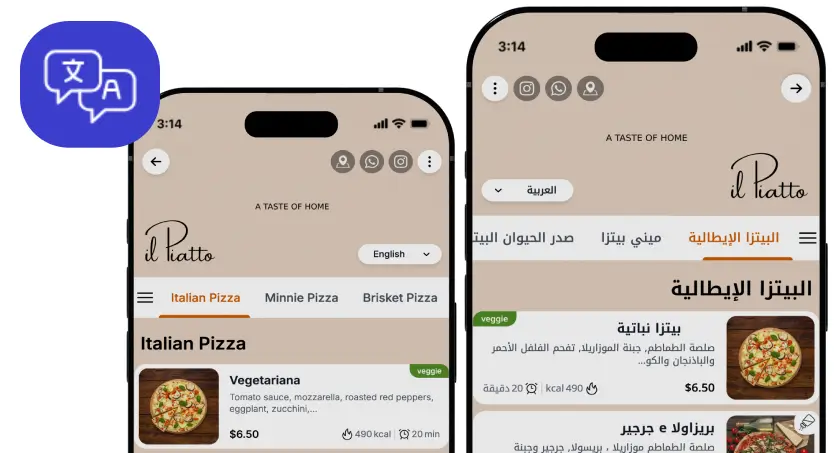
In tourism-heavy markets, language is money.
What to check:
- True multilingual menus, not a PDF swap.
- Easy translation workflow for seasonal specials.
- Automatic default language selection is a bonus, but manual switching must be obvious.
- Micro-test: switch languages mid-scroll. If it kicks you back to the top, that is friction.
Allergens, Calories, and Nutrition
Calories and macros are increasingly expected in some markets and segments. Even when optional, they reduce questions and increase confidence.
What to check:
- Per-item calorie display
- Nutrition panels where needed
- Consistent icons that do not clutter the page
- Micro-test: can you add calories to 20 items quickly, or is it a nightmare?
Special Offers and Promotions
A QR menu that does not sell is dead weight.
What to check:
- Can you run time-based promos (happy hour) without reprinting anything?
- Can you upsell with modifiers and add-ons (extra sauce, side swap, dessert)?
- Can you feature seasonal items at the top without destroying menu flow?
- Micro-test: build a “burger + fries + drink” attachment path and see if it feels natural.
Accessibility Features for All
Accessibility is not only compliance. It is hospitality.
What to check:
- Good contrast, readable typography, tap targets that are not tiny
- Works with screen readers and zoom
- No forced app downloads
- Micro-test: try one-handed navigation on an older phone. If it is painful, your guests will bounce.
Best QR Code Menu Platforms by Restaurant Type
These recommendations are about operational fit, not popularity contests. Shortlist two or three, then run the tests above.
Small Independent Restaurants
You need speed, simplicity, and a menu that looks more expensive than you are.
Best fits:
- TableQR for polished branding, fast updates, and dietary clarity.
- Menubly if you want a quick online menu with SEO upside and minimal setup.
Avoid: any solution that is basically “scan to open a PDF.” That is not a digital menu. That is laziness with a QR sticker.
Multi-Location Chains
You need governance, consistency, and location-specific control without chaos.
Best fits:
- LOGIX360 for multi-location language and pricing control from one dashboard style approach.
- UpMenu if you want QR plus broader ordering and marketing tooling across locations.
Key question: can your head office change one item across 30 outlets without breaking anything?
Quick-Service Restaurants
Your enemy is time. Your second enemy is order mistakes.
Best fits:
- Menuflow if order/pay flows and POS integration are the core value.
- UpMenu if you want QR ordering plus direct online ordering infrastructure.
- MyDigiMenu if table-level QR ordering and routing to POS or printers matters.
Non-negotiable: menu loads fast. If it takes more than a couple seconds, you lose the order.
Fine Dining Establishments
You are selling trust, story, and restraint. Your QR menu should feel like your brand, not a tech demo.
Best fits:
- TableQR for premium, clean presentation and controlled upsells that do not feel tacky.
- LOGIX360 if you want a bespoke, designed experience with hands-on execution.
Fine dining rule: always have at least one physical menu available. Forcing QR only can feel cheap.
Cafes and Bakeries
You need speed, photos, modifiers, and seasonal rotation without headaches.
Best fits:
- TableQR for seasonal promos, fast edits, and dietary labels that reduce counter questions.
- Happymenu for a low-cost, clean menu with add-ons and cross-sells.
Cafe micro-example: “Add oat milk” should be one tap, not a cashier conversation.
Frequently Asked Questions (FAQs)
Are QR code menus still worth it in 2026?
Yes, if it is a real menu, not a PDF. The win is operational control (86s, pricing, timing) and conversion (photos, add-ons, promos). If you are not measuring clicks or attachment, you are just saving printing costs.
What is the fastest way to tell if a QR menu will convert?
Scan it on a weak connection and time the first meaningful content. Then try to find one item, one modifier, and one allergen note. If any step feels annoying, guests will quit and ask staff, which defeats the point.
Should we force QR-only menus?
No. Offer QR as the default, keep one or two physical menus available. Some guests hate phone-based ordering, and they will punish you in reviews for it.
Do QR menus help with allergen risk?
They help when the system supports per-item allergen labels and your team keeps it accurate. A generic “tell your server” footer is legal theater, not safety.
Can QR menus improve SEO?
They can, if the menu is a crawlable web page, not an image-only PDF. Some platforms explicitly lean into web publishing and discoverability, and some mention SEO as part of the menu platform.